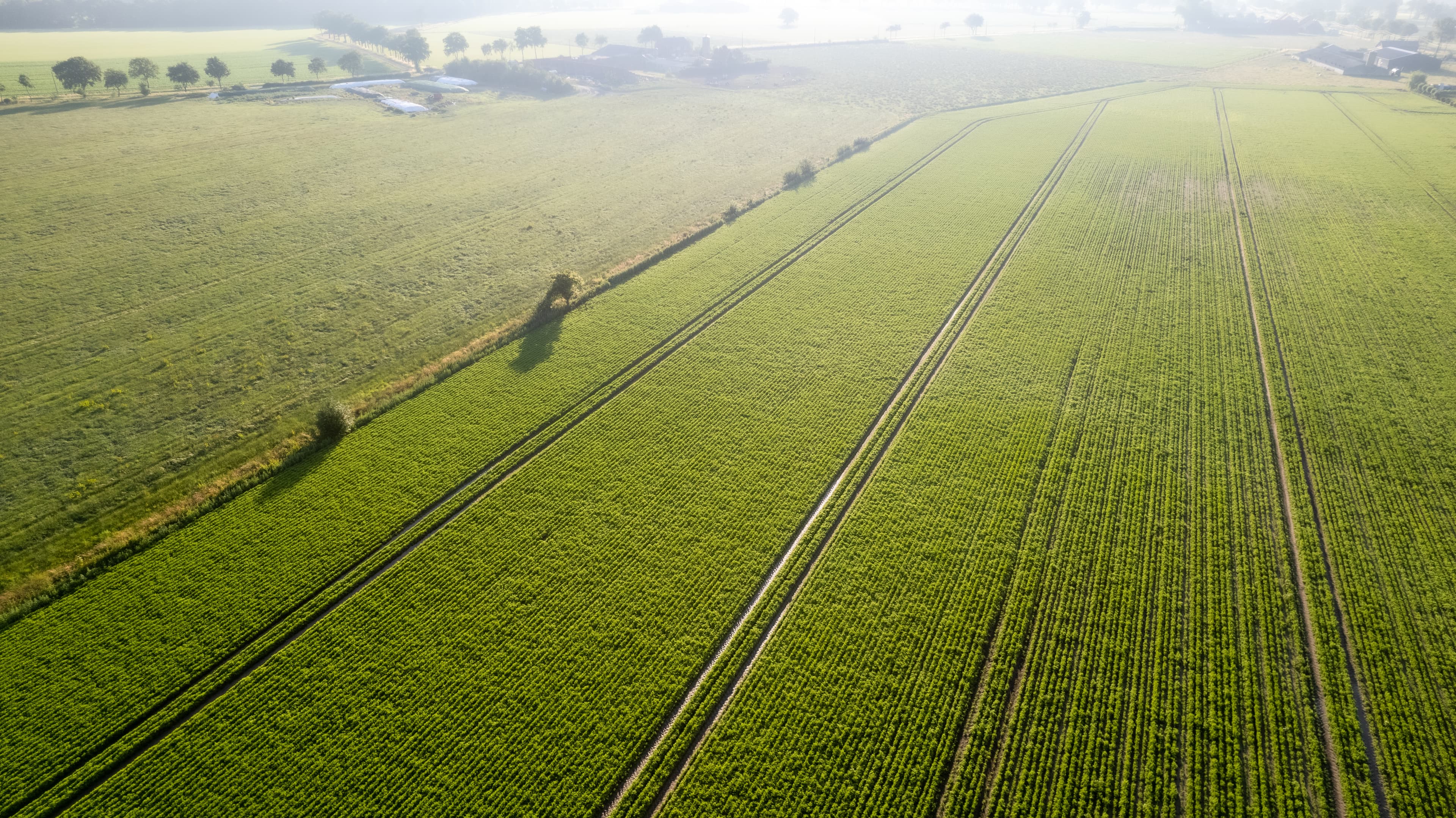
20% Higher Sugarcane Yields at Appleton Estates
A trial at Appleton Estates in Santa Cruz, Jamaica lifted sugarcane yields a minimum of 20% per crop cycle on a baseline of ~80 t/ha. With two applications at 2 NM/L water, treated cane reached 45 cm average height vs. 30.6 cm in the control — without expanding the fertility budget.
The Problem
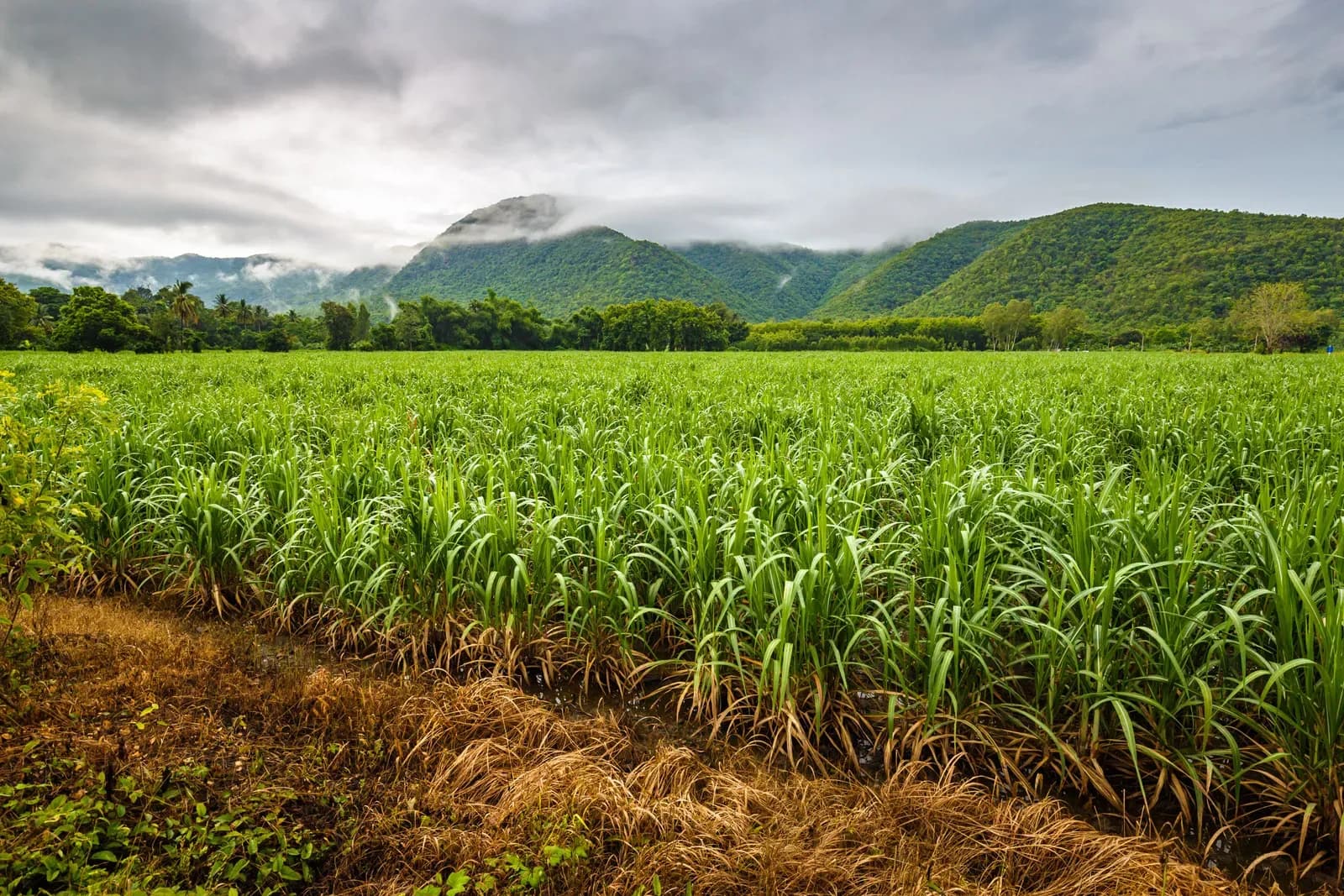
Sugarcane in tropical production is squeezed from three sides at once. Weather variability disrupts a crop that depends on consistent rainfall and temperature. Pests and diseases chip away at stand health and harvestable tonnage. And rising fertilizer rates cost more without delivering proportional yield.
Appleton Estates was sitting on those pressures, averaging about 80 t/ha and looking for a way to lift productivity without expanding the input budget.
The Trial
A trial at Appleton Estates in Santa Cruz, Jamaica evaluated Agrarius applied at 2 NM/L in water across two passes per crop cycle, layered onto the existing agronomic program. Comparison was straightforward: treated rows vs. an untreated control under the same conditions.
- Location: Appleton Estates, Santa Cruz, Jamaica
- Baseline: ~80 t/ha sugarcane average
- Protocol: 2 applications per crop cycle, 2 NM/L water
- Comparison: treated vs. untreated control
What Happened
Treated cane grew taller, stayed healthier, and yielded more — without changing the rest of the program.
- Average crop height: 45 cm treated vs. 30.6 cm control — +47% more vertical growth.
- Yield: minimum +20% lift per crop cycle vs. the 80 t/ha baseline.
- Crop health: improved visible health and resilience — fewer signs of pest and disease pressure.
- Resource efficiency: the same fertility program produced more cane.
Why This Matters
For tropical sugarcane operations running on thin margins, a 20%+ yield lift on the same hectares — without expanding fertilizer spend — moves the bottom line.
- Same land, more cane — better revenue per hectare across every cut.
- Better stand health reduces the cost of pest and disease management.
- Lower input dependence trims operational cost and the environmental footprint.
- Recurring gain across each ratoon cycle, not just the plant cane.
The case for Agrarius at Appleton was less about a single season and more about lifting the operating ceiling year after year.
How To Use It
The protocol is light enough to slot into existing tropical sugarcane management.
- Rate: 2 NM/L mixed in water.
- Frequency: 2 applications per crop cycle.
- Equipment: standard foliar sprayer, applied with the existing spray window.
- Pairing: layer onto the current fertility and crop-protection program — don't trade inputs out.
The Growers Choice
Try Agrarius and experience the results for yourself, fully backed by our performance guarantee program